



St. Louis' Estate Planning and Small Business Law Firm
The law shouldn't be some great mystery. Take our intake form today and get a free, customized proposal.
Free Proposal

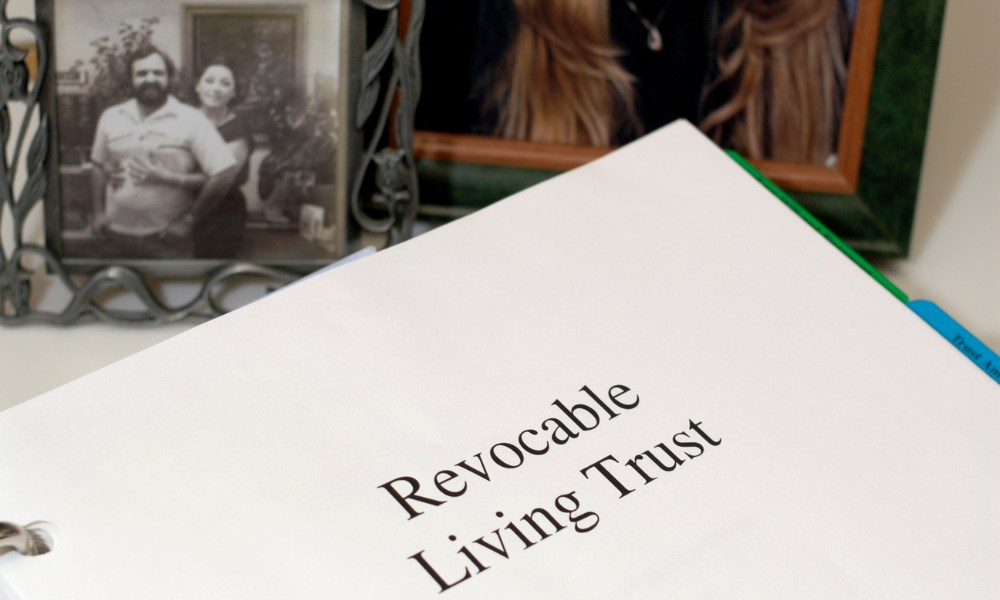
If you've been researching estate planning in Missouri, you've almost certainly come across the term "revocable living trust." It's one of the most talked-about estate planning tools — and for good reason. A revocable living trust can help your family avoid probate, protect your privacy, and ensure a smooth transfer of assets when the time comes.
But what exactly is a revocable living trust, how does it work under Missouri law, and is it the right choice for your family? At The Taormina Firm, we help families across the St. Louis metro area — from Chesterfield and Kirkwood to Clayton and O'Fallon — set up trusts that fit their unique needs. Let's walk through everything you need to know.
A revocable living trust is a legal entity you create during your lifetime to hold your assets. You (the "grantor") transfer ownership of your property — your home, bank accounts, investments, and other assets — into the trust. You then name a trustee to manage the trust (which is usually yourself during your lifetime) and beneficiaries who will receive the assets after you pass away.
The word "revocable" is key. It means you can change, amend, or completely revoke the trust at any time while you're alive and mentally competent. You maintain full control over your assets. You can buy and sell property, open and close accounts, and make changes to the trust whenever your circumstances change.
When you pass away — or if you become incapacitated — your successor trustee steps in and manages or distributes the trust assets according to your instructions. This all happens privately, without court involvement.
The number one reason families in Missouri choose a revocable living trust is to avoid probate. Under Chapter 473 of the Missouri Revised Statutes, probate is the court-supervised process of distributing a deceased person's assets. It can take six months to over a year, cost thousands of dollars in fees, and is entirely public.
With a properly funded revocable living trust, your assets pass directly to your beneficiaries without going through probate. That means faster access to their inheritance, lower costs, and complete privacy.
Another major benefit is incapacity planning. If you become unable to manage your own affairs — due to illness, injury, or cognitive decline — your successor trustee can step in immediately. There's no need for your family to go to court to get a conservatorship, which is both expensive and time-consuming under Missouri law.
This is where many people trip up. Creating a trust is only half the battle — you also have to fund it. That means retitling your assets in the name of the trust. Common assets to transfer include your primary residence and any other real estate, bank accounts and certificates of deposit, brokerage and investment accounts, business interests, and valuable personal property.
Some assets should not be placed directly in a trust, such as retirement accounts (IRAs, 401(k)s) and life insurance policies. For these, you typically name the trust as a beneficiary rather than transferring ownership. Getting this right is important, which is why working with an experienced Missouri estate planning attorney makes such a difference.
We covered this topic in detail in our post on Wills vs. Trusts in Missouri, but here's the short version: a will goes through probate, a trust doesn't. A will only takes effect after you die, a trust also covers incapacity. A will is public record, a trust is private.
For most Missouri families — especially those who own real estate, have assets above a certain threshold, or want to keep things simple for their loved ones — a revocable living trust is the better option. And you'll typically still want a "pour-over" will as a backup to catch any assets that weren't transferred into the trust.
One common misconception is that trusts are only for wealthy people. That's simply not true. Families across every income level in communities like Ballwin, Webster Groves, University City, and Florissant benefit from the probate avoidance and incapacity protections a trust provides.
Another misconception is that a trust protects your assets from creditors. A revocable living trust does not provide asset protection during your lifetime because you maintain control over the assets. For asset protection, you'd need a different type of trust structure, which is something we can discuss during a consultation.
Finally, some people think that once you create a trust, you're "locked in." Not true. A revocable trust can be changed at any time. Had another child? Changed your mind about a beneficiary? Bought a new home? You can update your trust to reflect any of those changes.
The cost varies depending on the complexity of your estate and your specific needs. A comprehensive trust-based estate plan from The Taormina Firm typically includes the revocable living trust itself, a pour-over will, a durable power of attorney, a health care directive, and assistance with funding the trust.
While a trust-based plan costs more upfront than a simple will, it almost always saves your family money in the long run by avoiding probate costs. Think of it as an investment in your family's future peace of mind.
If you're in the St. Louis area — whether you're in Des Peres, Maryland Heights, Sunset Hills, or anywhere else in the region — contact The Taormina Firm to schedule a consultation. We'll help you determine whether a revocable living trust is the right fit for your family and guide you through every step of the process.
The law shouldn't be some great mystery. Take our intake form today and get a free, customized proposal.
Free ProposalThe choice of a lawyer is an important decision and should not be based solely upon advertisements. The information on this website is for general information purposes only. Nothing on this website should be taken as legal advice for any individual case or situation. This information is not intended to create, and receipt or viewing does not constitute, an attorney-client relationship.


